Introduction
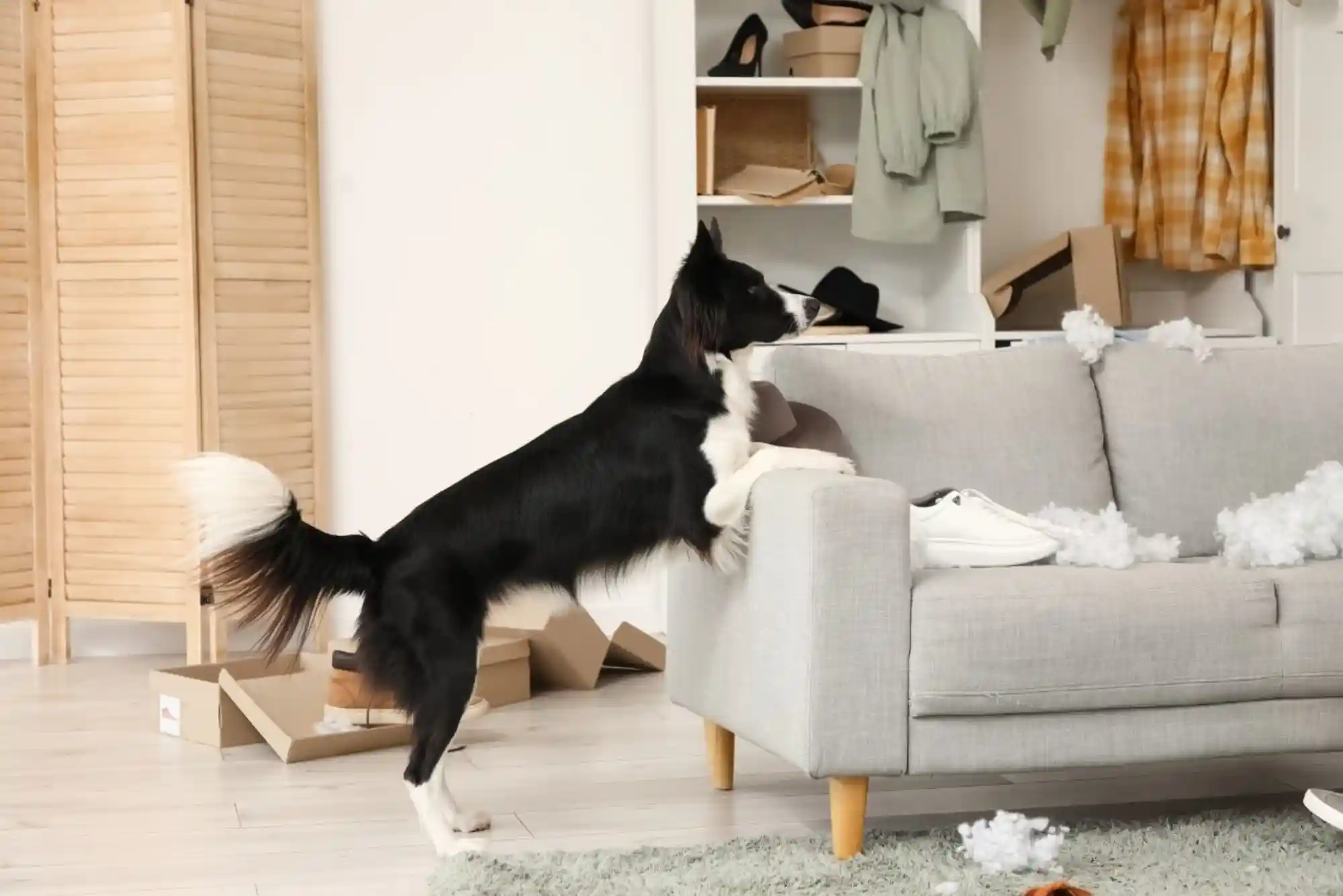
If your puppy is chewing table legs, shoes, furniture, or anything within reach, you are not alone. Puppy biting and chewing are normal parts of early development. However, constant chewing can become frustrating for new dog owners.
Understanding the Puppy Teething Timeline: What Week Do Puppies Stop Biting and Chewing Furniture? can make this stage much easier. Puppies do not stop chewing on one exact day. Their behavior usually changes as their adult teeth develop and they learn better habits.
Most puppies have their complete set of adult teeth by about six to seven months. However, furniture chewing can continue beyond teething if the habit has become rewarding.
Puppy Teething Timeline: What Week Do Puppies Stop Biting and Chewing Furniture?
Puppies are born without visible teeth. Their baby teeth usually begin appearing when they are around three weeks old. By approximately eight weeks, most puppies have their full set of temporary teeth.
The next major stage begins around three to four months. Baby teeth start falling out, while permanent adult teeth emerge. This process can make puppies especially interested in chewing.
The most intense chewing period often occurs between four and six months. During this period, puppies may bite furniture more frequently. Their gums can feel uncomfortable as adult teeth push through.


By six to seven months, most puppies have their adult teeth. Their physical need to chew because of teething usually decreases.
However, that does not mean every puppy suddenly stops biting furniture. Chewing is also natural dog behavior. Puppies explore their surroundings through their mouths, especially when they are bored or overstimulated.
Puppy Teething Timeline by Age
Three to Eight Weeks
Baby teeth begin developing during the first few weeks. Puppies use these teeth while learning to eat solid food.
At this stage, puppies also begin learning bite control. Interaction with their mother and littermates helps them understand how hard they can bite.
Eight to Twelve Weeks
Puppies entering their new homes often become more mouthy. They may bite hands, clothing, toys, and household objects.
This behavior is not usually aggression. Instead, puppies are exploring and learning.
Providing suitable chew toys can help redirect this natural behavior.
Three to Four Months
This is when the teething process becomes more noticeable. Baby teeth begin loosening and falling out.
Adult teeth start replacing them. Puppies may chew more because their gums feel sore or irritated.
Cold, puppy-safe chew toys can provide useful relief during this period.
Four to Six Months
This is often the peak chewing stage.
Puppies may target furniture, carpets, wooden objects, and other household items. They can also become more determined about chewing.
Consistent training is especially important now. Every successful chewing session can reinforce the behavior.
Six to Seven Months
Most puppies have most or all of their adult teeth by this stage. The physical discomfort associated with teething should gradually decrease.
Therefore, many owners notice less frantic chewing.
Still, puppies may continue chewing furniture if they learned that furniture is an interesting or rewarding object.
Why Do Puppies Bite and Chew Furniture?
Teething is only one reason puppies chew.
Young dogs have naturally curious personalities. Their mouths help them investigate textures, smells, and objects.
Boredom can also trigger destructive chewing. A puppy with too little physical activity may create its own entertainment.
Excess energy is another common factor. Puppies need age-appropriate exercise and mental stimulation throughout the day.
Some puppies also chew when they feel anxious. Changes in surroundings, separation, or unfamiliar situations can increase unwanted chewing.
That is why simply waiting for teething to finish may not solve the problem.
How to Stop a Puppy From Chewing Furniture
The most effective approach combines management, redirection, training, and patience.
Make Furniture Difficult to Access
Preventing the behavior is easier than repeatedly correcting it.
Use puppy gates, playpens, or carefully arranged furniture to limit access. Keep valuable household items away from curious mouths.
When you cannot supervise your puppy, provide a safe puppy-proof area.
Provide Appropriate Chew Toys
Give your puppy several safe chewing options.
Different textures can make toys more interesting. Rotate them regularly so they do not become boring.
Always choose toys appropriate for your puppy’s size, age, and chewing strength.
Avoid objects that can splinter or break into dangerous pieces.
Redirect Instead of Punishing
If your puppy starts chewing a table leg, calmly interrupt the behavior.
Immediately offer an appropriate chew toy. Praise your puppy when they switch to the toy.
This teaches the puppy what you want instead of simply telling them what not to do.
Harsh punishment can create fear and confusion. Positive reinforcement generally provides clearer communication.
Reward Good Choices
Training becomes easier when puppies receive rewards for appropriate behavior.
For example, reward your puppy for calmly chewing their own toy. Praise them when they leave furniture alone.
Over time, these small rewards can strengthen desirable habits.
Managing Puppy Biting During Teething
Furniture is not the only target. Many puppies also bite hands, feet, sleeves, and ankles.
When your puppy bites during play, avoid turning the interaction into a wrestling game.
Stop moving your hands and briefly end the game. Then offer a suitable toy.
Consistency matters. Everyone in the household should respond similarly.
Your puppy needs clear boundaries. Mixed signals can make training much harder.
Sleep also plays an important role. Overtired puppies can become unusually excitable and mouthy.
A suitable rest routine can help reduce excessive biting.
What Week Do Puppies Usually Stop Biting?
There is no universal week when puppies stop biting.
Many puppies become noticeably less mouthy between six and seven months. This timing often overlaps with the completion of adult tooth development.
However, individual puppies mature at different rates.
Breed, personality, training, environment, and daily routine can all influence chewing behavior.
If a puppy continues chewing furniture after teething, focus less on the teeth and more on the learned behavior.
At that point, enrichment, exercise, supervision, and consistent training become increasingly important.
For additional guidance on puppy development, owners can explore the AKC Puppy Developmental Milestones resources from the American Kennel Club. The AKC Puppy Developmental Milestones resources provide broader information about puppy growth and behavior.
When Should You Be Concerned About Puppy Chewing?
Normal puppy chewing should gradually become easier to manage.
However, certain situations deserve additional attention.
Contact a veterinarian if your puppy appears to experience significant mouth pain. Excessive bleeding, facial swelling, difficulty eating, or unusual lethargy should not simply be blamed on teething.
You should also seek professional behavioral advice if chewing becomes extreme or dangerous.
Some puppies may swallow pieces of furniture, toys, fabric, or other objects. Foreign-object ingestion can become a serious medical problem.
Watch your puppy carefully and remove dangerous materials from their environment.
How to Make the Teething Stage Easier
A predictable daily routine can make this period much easier.
Give your puppy appropriate opportunities to chew, play, explore, and rest. Keep training sessions short and positive.
You can also create a designated chewing area. Make that area comfortable and fill it with approved toys.
The goal is not to prevent chewing completely. Instead, teach your puppy where chewing is appropriate.
This distinction is important.
Chewing is normal canine behavior. Your job is to guide that behavior toward safe alternatives.
Turning Your Puppy Stage Into a Positive Memory
The teething period can feel exhausting, but it is temporary. Puppies grow quickly, and many frustrating behaviors improve with maturity and consistent training.
It can also be a memorable period of your dog’s early life. If you enjoy documenting your puppy’s development, creative pet artwork can turn those early memories into something lasting.
A helpful resource is the Pet Art & Design Guide, which can inspire ideas for celebrating your puppy’s personality through artwork.
You can also explore Kingofart for additional pet-focused art inspiration.
Frequently Asked Questions
At what age do puppies stop biting?
Many puppies become less mouthy around six to seven months. However, biting can continue if it has become a learned play habit.
What month do puppies stop chewing everything?
Chewing often decreases after six months, when adult teeth have developed. Some dogs continue chewing because of boredom, curiosity, or habit.
How do I stop my puppy from chewing furniture?
Restrict access to furniture, supervise your puppy, provide suitable chew toys, and redirect chewing immediately. Reward your puppy for choosing appropriate objects.
Is it normal for a five-month-old puppy to chew furniture?
Yes. Five months is commonly within the active teething period. Adult teeth are still developing, so chewing can be particularly intense.
Do puppies stop biting after teething?
Teething can increase biting, but it is not the only cause. Puppies also bite during play and exploration. Training helps them develop better habits.
Why does my puppy bite me but not furniture?
Your puppy may see hands as part of play. Use toys during interactions and stop play briefly when biting becomes too hard.
Conclusion
The Puppy Teething Timeline: What Week Do Puppies Stop Biting and Chewing Furniture? is easier to understand when you view teething as one stage of development.
Most puppies complete their adult teeth around six to seven months. Their intense teething-related chewing often decreases afterward.
Related Reading: How to Switch Cat Food from Dry Kibble to Wet Food Without Upset Stomach
Related Reading: How Far Can a Long Range Detector Actually Detect?
Related Reading: دكتور تغذية – أهمية التغذية الصحية، التشخيص، ونصائح للحياة الصحية
Related Reading: Best Stainless Steel Cat Water Fountains to Prevent Feline Chin Acne and Dehydration