
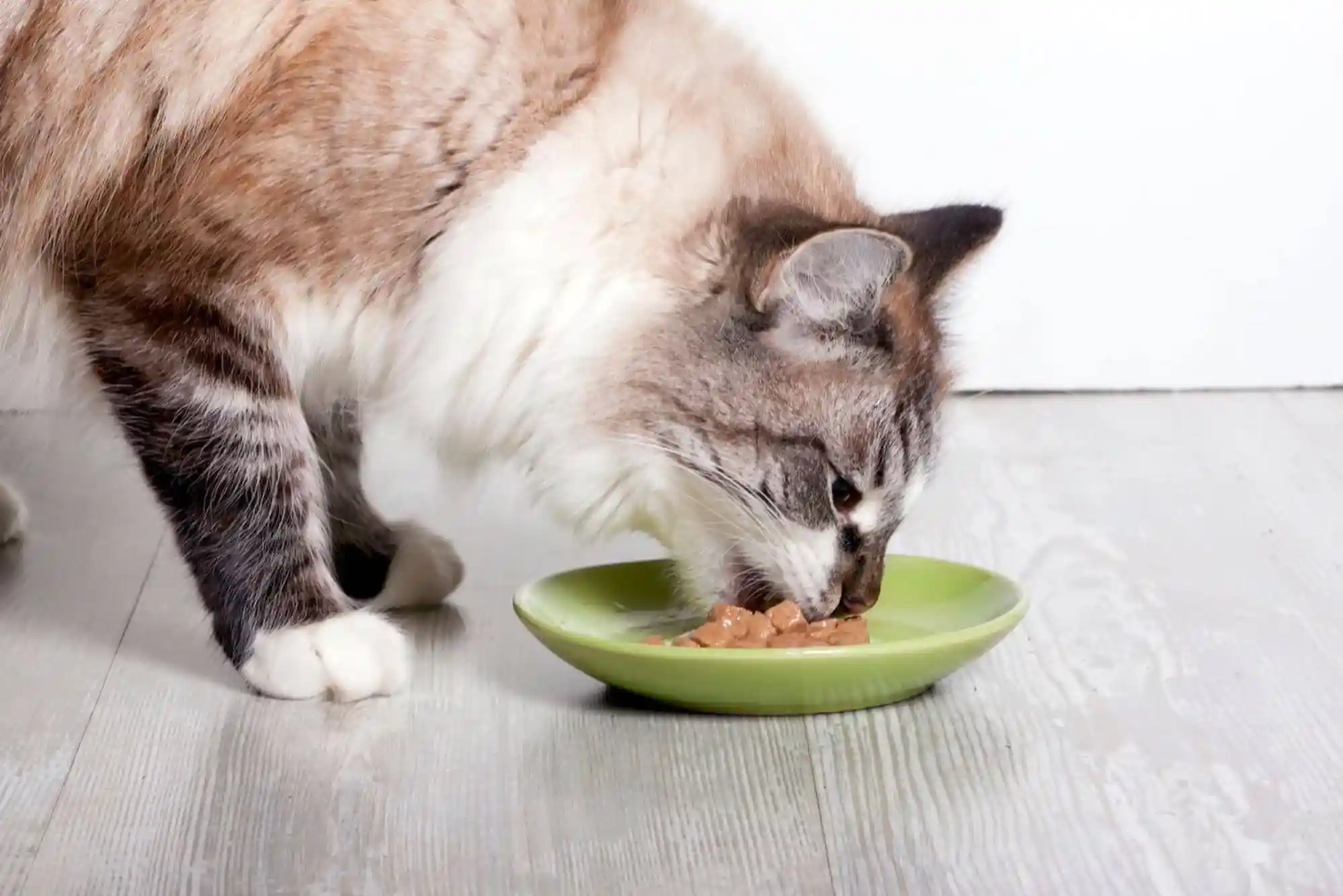
Transitioning your feline companion from a crunchy dry kibble diet to a moisture-rich canned food menu is one of the best health decisions you can make. Many cat parents worry about digestive upset, vomiting, or diarrhea during this dietary shift. Fortunately, learning How to Switch Cat Food from Dry Kibble to Wet Food Without Upset Stomach is entirely achievable with patience and the right strategy. Cats are famously sensitive creatures with delicate gastrointestinal tracts. Their internal systems rely heavily on routine, meaning sudden menu changes often lead to messy rejections or tummy trouble. A slow, methodical approach protects your cat’s digestive lining and builds positive associations with new textures. Whether you are aiming to improve hydration, manage weight, or support kidney health, this comprehensive guide covers everything you need to know.
Understanding Your Cat’s Digestive System
Cats are obligate carnivores designed by nature to derive moisture primarily from their prey. Their short digestive tracts process proteins and fats efficiently, but they lack the heavy microbial balance needed for sudden dietary shifts. Dry kibble is heavily processed, carbohydrate-dense, and low in natural moisture. Shifting to wet food introduces higher protein concentrations, animal fats, and roughly 70 to 80 percent more water. Without a gradual transition, this sudden shift in macronutrients often triggers temporary colitis, gas, or soft stools. Respecting your cat’s biological pacing ensures their gut microbiome has time to adapt to the rich new nutrient profile.
Preparing for the Transition Process
Success begins long before you pop open the first can of wet food. Selecting the right canned food sets the foundation for a seamless dietary upgrade. Look for grain-free formulas with named meat proteins listed as the primary ingredients. Avoid options packed with artificial thickeners, excessive fillers, or plant-based meals that mimic meat proteins. Stock up on a few different flavors and textures, such as pates, shreds, and gravies. Cats can be notoriously picky about mouthfeel, so having variety prevents early roadblocks. You should also check the expiration dates and ensure you have airtight storage containers for opened cans. Setting up a quiet, low-stress feeding station away from high-traffic household areas helps your cat feel safe while exploring unfamiliar food aromas.
The Step-by-Step Transition Schedule
Rushing the process is the number one cause of feline food refusal and digestive distress. A proper transition usually takes anywhere from seven to fourteen days, depending on your cat’s sensitivity. Day one through three should feature a tiny fraction of wet food mixed thoroughly into their usual kibble. Aim for a ratio of ninety percent dry food to ten percent wet food. If your cat refuses to touch the bowl, mash the wet food down into a paste and coat a few favorite kibbles in it. As the days progress, slowly increase the wet food proportion while decreasing the dry kibble. Day four through six can move to an eighty-twenty or seventy-thirty ratio. By day seven, many cats comfortably handle a fifty-fifty split. If you notice any signs of loose stool, simply step back to the previous ratio for a few extra days. Taking your time prevents overwhelming their delicate digestive enzymes.
Overcoming Feline Pickiness and Texture Aversion
Cats texture-imprint on their food during kittenhood, making adult kibble addicts deeply suspicious of wet food. If your cat sniffs the bowl and walks away in disgust, do not panic or resort to starving them into compliance. Instead, try warming the wet food slightly in the microwave for a few seconds to release enticing aromas. You can also sprinkle a tiny pinch of crumbled freeze-dried meat treats or nutritional yeast over the top as a healthy flavor enhancer. Avoid mixing fish-based toppers too often, as cats can become addicted to the intense smell and reject other proteins. Patience is your strongest asset here. Celebrate small victories, such as your cat licking the gravy off the kibble, as positive steps forward. For inspiration on celebrating your feline friend’s unique personality during this journey, check out this creative Pet Art & Design Guide for custom portrait ideas.
Monitoring Health and Managing Digestive Setbacks
As you progress through the feeding schedule, closely monitor your cat’s litter box habits and daily energy levels. Normal stools should remain firm, well-formed, and consistent in frequency. If you notice watery diarrhea, vomiting, or complete food refusal, slow down the transition immediately. For expert insights on managing feline tummy issues, consult resources like the Cornell Vet Feline Gastrointestinal Transition guidelines for professional veterinary advice. Mild soft stool can sometimes be managed by adding a small amount of plain, unflavored canned pumpkin to the meal. However, if symptoms persist for more than forty-eight hours, contact your veterinarian to rule out underlying parasites or food intolerances. Keeping a daily journal of the exact ratios fed and your cat’s reaction helps you pinpoint the exact pace their stomach tolerates.


Long-Term Benefits of a Wet Food Diet
Completing the transition unlocks a wide array of long-term health benefits for your cat. Increased daily water intake drastically reduces the risk of urinary tract infections, painful bladder stones, and chronic kidney disease. Wet food is also much lower in carbohydrates than dry kibble, making it easier for indoor cats to maintain a lean, healthy body weight. Many owners notice shinier coats, brighter eyes, and improved dental breath once kibble is completely phased out. While wet food can be more expensive and requires more cleanup than leaving a bowl of dry food out, the veterinary cost savings over time make the effort worthwhile. Your cat will thank you with years of vibrant, playful companionship. To explore more helpful pet care tips and resources, visit Kingofart today.
Frequently Asked Questions
What should I do if my cat refuses to eat wet food entirely?
Some cats take weeks to accept new textures. Try mixing warm chicken broth with no added onions or garlic into the wet food to create an appealing soup. You can also dab a small amount on their paw so they groom it off and realize it tastes delicious.
Can I mix dry kibble and wet food in the same bowl permanently?
Yes, combination feeding is completely safe and provides the convenience of dry food with the moisture benefits of wet food. Just ensure you measure the total daily calories to prevent unwanted weight gain.
How long can wet food sit out in the bowl before spoiling?
Wet food should never sit out at room temperature for longer than thirty to sixty minutes. Bacteria multiplies rapidly in moist protein sources, so discard any uneaten portions promptly and wash the bowl thoroughly.
Is it normal for my cat to drink less water after switching to wet food?
Yes, cats eating a fully wet diet naturally drink less from their water bowls because they receive up to eighty percent of their daily hydration directly from their food. Always keep fresh water available regardless.
What are the signs that the transition is moving too fast?
Sudden vomiting, watery diarrhea, lethargy, and dramatic vocalization around mealtime indicate your cat’s gut is overwhelmed. Slow the process down by reducing the wet food percentage and consult your vet if symptoms continue.
Related Reading: How to Fly Internationally with a Dog: Cabin Dimensions, Pet Passports, and IATA Rules
Related Reading: Puppy Teething Timeline: What Week Do Puppies Stop Biting and Chewing Furniture? — full guide
Related Reading: Feline Diabetes Symptoms, Insulin Care, and Low-Carb Wet Food Meal Plans