Introduction
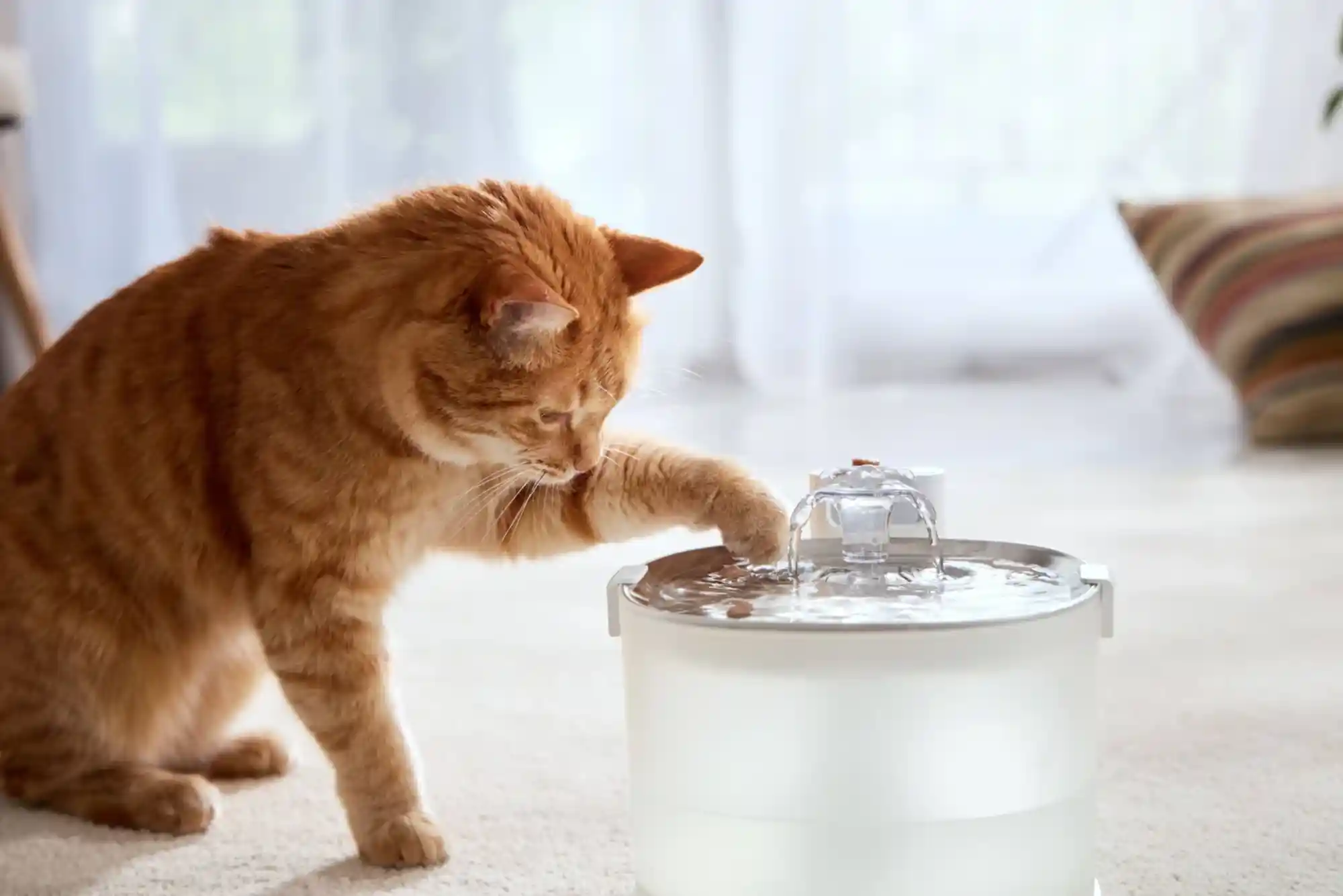
Cats are notoriously picky drinkers, often ignoring stagnant water bowls in favor of a running tap. Ensuring proper hydration is vital for kidney health, urinary tract function, and overall longevity. However, traditional plastic water fountains often harbor harmful bacteria that trigger painful feline chin acne. Choosing the Best Stainless Steel Cat Water Fountains to Prevent Feline Chin Acne and Dehydration solves both problems simultaneously. Stainless steel is non-porous, dishwasher safe, and naturally resistant to bacterial buildup. Furthermore, moving water entices cats to drink more frequently throughout the day. This comprehensive guide explores top-tier stainless steel hydration options designed to protect your cat’s skin and health.
Understanding Feline Chin Acne and Plastic Bowls
Feline chin acne is a frustrating skin condition characterized by blackheads, bumps, and secondary bacterial infections on a cat’s chin. Plastic bowls and fountains develop microscopic scratches over time from regular cleaning and washing. These tiny crevices become breeding grounds for bacteria, yeast, and oils that transfer directly to your cat’s chin during drinking. Switching to high-grade medical or food-grade stainless steel eliminates this risk entirely. The smooth, impenetrable surface prevents bacterial colonization and protects sensitive skin. Furthermore, stainless steel does not leach chemicals into the water like cheaper plastic alternatives. Keeping your cat’s drinking station impeccably clean ensures clear skin and a happy disposition.Additionally, celebrating your pet’s unique personality makes a wonderful addition to any home. You can explore custom Pet Art & Design Guide options or visit Kingofart to commission a custom portrait of your feline companion.For insights into feline water intake recommendations, you can consult guidelines from CatVets Feline Hydration Needs.
Why Stainless Steel Outperforms Plastic and Ceramic
When shopping for a cat water fountain, material choice dictates both hygiene and durability. Plastic is inexpensive, but it degrades quickly and scratches easily, trapping stubborn bacteria. Ceramic offers a sleek aesthetic, but heavy chipping exposes porous clay underneath that harbors germs. Stainless steel strikes the ultimate balance of durability, hygiene, and aesthetic appeal. It withstands daily sanitization in high-heat dishwashers without warping or cracking. Stainless steel naturally stays cooler than plastic, keeping your cat’s drinking water fresh and appealing. Investing in a quality metal fountain reduces veterinary bills associated with chronic skin infections and dehydration-related ailments.
Key Features to Look for in a Cat Water Fountain
Selecting the right fountain requires evaluating several critical design elements beyond just the material. Look for units crafted from heavy-duty stainless steel that resists tipping over by playful paws. A multi-stage filtration system featuring activated carbon and ion-exchange resin is essential. This filtration process removes hair, debris, heavy metals, and unpleasant tastes from the water. Quiet pump operation is another vital factor, especially for nervous cats who might shy away from loud humming noises. Additionally, choose a fountain with visible water level windows to prevent the pump from running dry and burning out. Easy disassembly ensures you can thoroughly clean every nook and cranny on a weekly basis.
Top Contenders for Stainless Steel Cat Fountains
The market features several exceptional stainless steel fountains engineered specifically for feline health and safety. Veken and Pioneer Pet offer popular models known for durability, whisper-quiet pumps, and sleek designs. PetSafe Pagoda and Catit PIXI stainless steel top variants also provide reliable multi-tier drinking surfaces. Each model utilizes food-grade steel basins that prevent the accumulation of chin-irritating biofilms. Evaluating your cat’s drinking style helps determine whether they prefer a bubbling stream, a gentle faucet flow, or a quiet pooling basin. Choosing a reputable brand guarantees replacement filters remain readily available for ongoing maintenance.
How to Maintain a Stainless Steel Fountain for Optimal Health
Owning a stainless steel fountain requires consistent upkeep to ensure your cat always drinks pristine water. Disassemble the entire unit at least once a week to scrub the basin, spigot, and pump components. Use mild soap and warm water, followed by a thorough rinse to eliminate any soap residue. Clean the internal pump motor regularly to remove trapped cat hair and mineral scale buildup that impairs water flow. Replace the charcoal filters every two to four weeks depending on how many cats share the fountain. Proper maintenance prevents pump failure and guarantees that the water remains fresh, clean, and acne-preventing.


Encouraging Your Cat to Drink More Water
Even with the best fountain available, some cats need extra encouragement to increase their daily water intake. Place multiple water stations in quiet, low-traffic areas away from their litter boxes and food bowls. Cats often prefer their water sources separated from their dining areas due to ancestral instincts. Experiment with different flow settings on your stainless steel fountain to see what catches your cat’s interest. Adding a tiny splash of tuna juice or bone broth can also entice reluctant drinkers to sample the fresh stream. Monitoring their daily bathroom habits ensures they stay properly hydrated year-round.
Frequently Asked Questions
Can stainless steel fountains completely cure feline chin acne?
Switching to stainless steel removes the primary bacterial source, significantly helping clear up chin acne. However, severe cases may require veterinary intervention, antibiotics, or medicated wipes to heal completely.
How often should I clean a stainless steel cat water fountain?
You should thoroughly clean the fountain and replace the water every five to seven days. Deep cleaning the pump motor should happen bi-weekly to prevent clogging and bacterial growth.
Are stainless steel fountains safe to wash in the dishwasher?
Most high-grade stainless steel bowls and basins are entirely dishwasher safe. Always check the manufacturer guidelines, and remember that the plastic pump component usually requires hand washing.
Why is my cat afraid of the new water fountain?
Cats can be wary of new objects, sounds, or moving water. Introduce the fountain gradually by leaving it turned off for a day, and use positive reinforcement like treats nearby.
Conclusion
Prioritizing your cat’s health involves investing in the right tools to prevent common ailments like dehydration and chin acne. Upgrading to a durable, hygienic stainless steel fountain protects your pet’s sensitive skin while encouraging vital daily water consumption. Take action today by selecting a top-rated stainless steel fountain that fits your home aesthetic and your cat’s unique drinking preferences. Your feline friend will reward you with vibrant health, clear skin, and affectionate companionship for years to come.
Related Reading: Puppy Teething Timeline: What Week Do Puppies Stop Biting and Chewing Furniture?